
Nginx Default Login
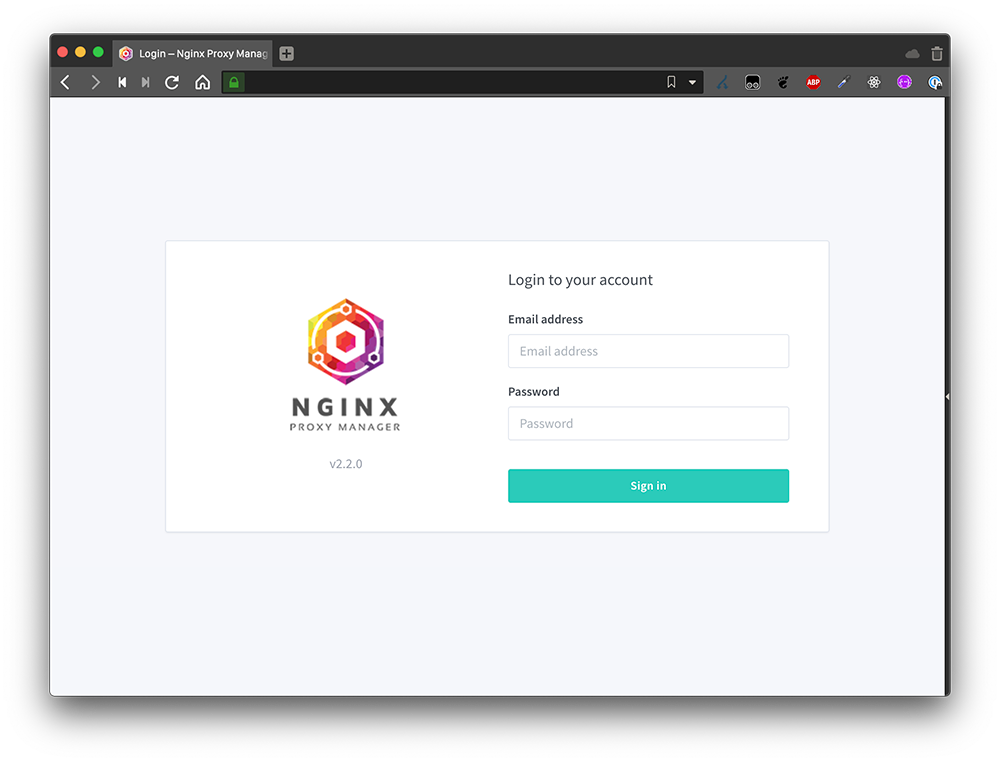
Nginx Default Login - The default login credentials for nginx proxy manager are as follows: `changeme` these credentials are set up automatically when you first install nginx proxy manager. This guide describes how to start and stop nginx, and reload its configuration, explains the structure of the configuration file and describes how to set up nginx to serve out static content, how to configure nginx as a proxy server, and how to connect it with a fastcgi application. The nginx proxy manager default login is typically set to the username admin@example.com and the password changeme, which should be changed immediately after logging in for security reasons. Basic username and password authentication is an easy and simple way to secure administrative panels and backend services. Immediately after logging in with this default user you will be asked to modify your details and change your password. You can restrict access to your website or some parts of it by implementing a username/password authentication. Changeme the login doesn't work. This is your gateway to managing your server’s proxy settings. The internet says it should username: Immediately after logging in with this default user you will be asked to modify your details and change your password. The default login credentials for nginx proxy manager are as follows: Basic username and password authentication is an easy and simple way to secure administrative panels and backend services. `changeme` these credentials are set up automatically when you first install nginx proxy manager. By default, nginx does not require a username or password for access, leaving your website vulnerable to unauthorized access. By default, nginx instance manager uses basic authentication, requiring you to send your username and password with each request to confirm your identity. Changeme the login doesn't work. Nginx can be configured to protect certain areas of your website, or even used as a reverse proxy to secure other services. The nginx proxy manager default login is typically set to the username admin@example.com and the password changeme, which should be changed immediately after logging in for security reasons. The internet says it should username: This is your gateway to managing your server’s proxy settings. Immediately after logging in with this default user you will be asked to modify your details and change your password. Basic username and password authentication is an easy and simple way to secure administrative panels and backend services. By default, nginx instance manager uses basic authentication, requiring you to send. By default, nginx does not require a username or password for access, leaving your website vulnerable to unauthorized access. In this article, we will explore how to set up a default username and password using htaccess and nginx to increase security. This guide describes how to start and stop nginx, and reload its configuration, explains the structure of the configuration. `changeme` these credentials are set up automatically when you first install nginx proxy manager. This is your gateway to managing your server’s proxy settings. By default, nginx instance manager uses basic authentication, requiring you to send your username and password with each request to confirm your identity. This guide describes how to start and stop nginx, and reload its configuration,. This is your gateway to managing your server’s proxy settings. You can restrict access to your website or some parts of it by implementing a username/password authentication. We’re going to access the nginx proxy manager’s default login page, and then log in using the default credentials. The internet says it should username: In this article, we will explore how to. This guide describes how to start and stop nginx, and reload its configuration, explains the structure of the configuration file and describes how to set up nginx to serve out static content, how to configure nginx as a proxy server, and how to connect it with a fastcgi application. Basic username and password authentication is an easy and simple way. When logging in for the first time, use the default admin account and password. By default, nginx instance manager uses basic authentication, requiring you to send your username and password with each request to confirm your identity. You can change defaults with: In this article, we will explore how to set up a default username and password using htaccess and. Changeme the login doesn't work. When logging in for the first time, use the default admin account and password. The internet says it should username: Immediately after logging in with this default user you will be asked to modify your details and change your password. This guide describes how to start and stop nginx, and reload its configuration, explains the. The nginx proxy manager default login is typically set to the username admin@example.com and the password changeme, which should be changed immediately after logging in for security reasons. Basic username and password authentication is an easy and simple way to secure administrative panels and backend services. This is your gateway to managing your server’s proxy settings. We’re going to access. By default, nginx does not require a username or password for access, leaving your website vulnerable to unauthorized access. This is your gateway to managing your server’s proxy settings. `changeme` these credentials are set up automatically when you first install nginx proxy manager. Immediately after logging in with this default user you will be asked to modify your details and. The internet says it should username: By default, nginx does not require a username or password for access, leaving your website vulnerable to unauthorized access. `changeme` these credentials are set up automatically when you first install nginx proxy manager. This is your gateway to managing your server’s proxy settings. Immediately after logging in with this default user you will be. Basic username and password authentication is an easy and simple way to secure administrative panels and backend services. The default login credentials for nginx proxy manager are as follows: You can change defaults with: In this article, we will explore how to set up a default username and password using htaccess and nginx to increase security. The nginx proxy manager default login is typically set to the username admin@example.com and the password changeme, which should be changed immediately after logging in for security reasons. Changeme the login doesn't work. The internet says it should username: This is your gateway to managing your server’s proxy settings. Immediately after logging in with this default user you will be asked to modify your details and change your password. `changeme` these credentials are set up automatically when you first install nginx proxy manager. By default, nginx instance manager uses basic authentication, requiring you to send your username and password with each request to confirm your identity. When logging in for the first time, use the default admin account and password. Nginx can be configured to protect certain areas of your website, or even used as a reverse proxy to secure other services.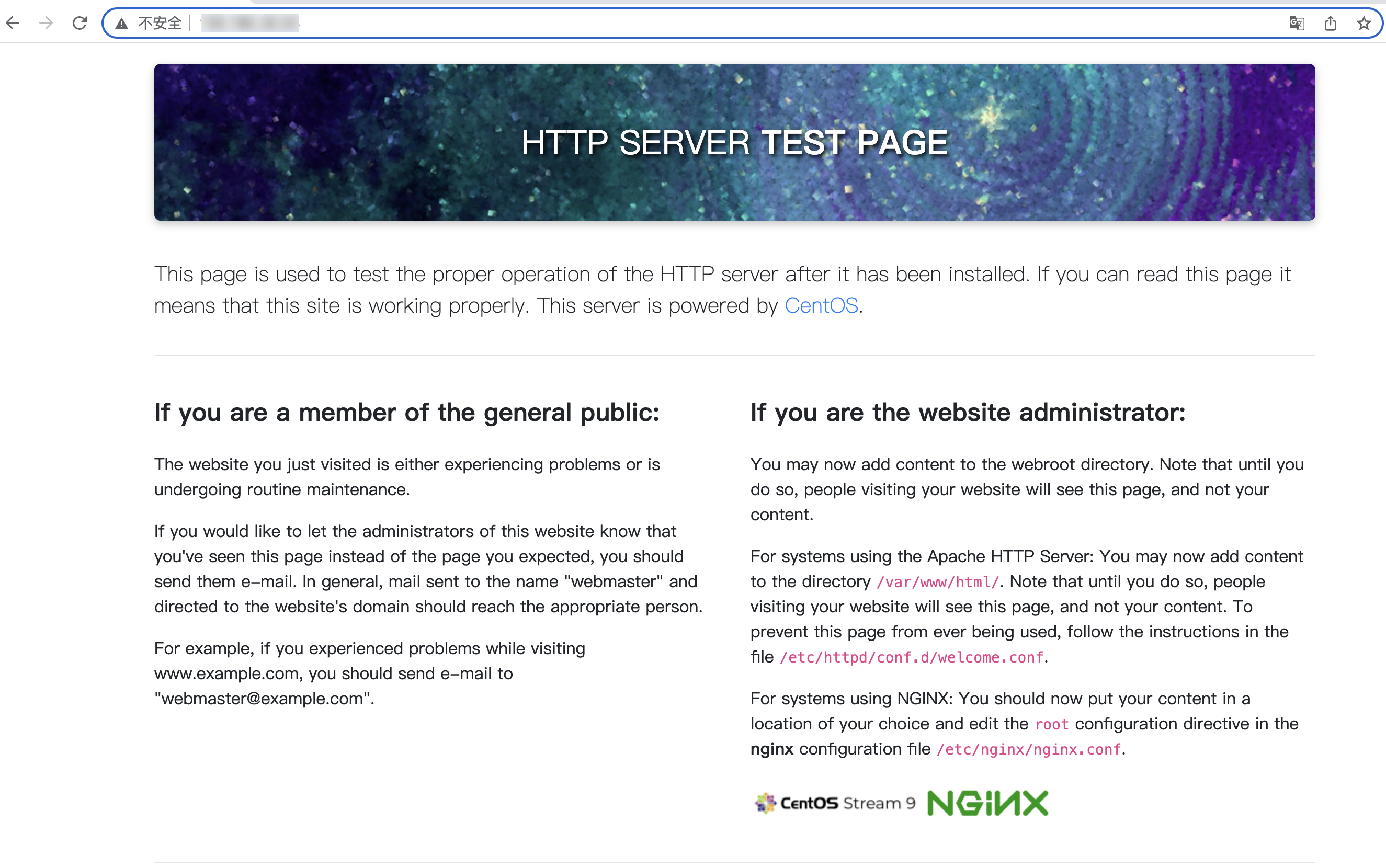
部署 Nginx 公有云文档中心

Nginx default_server How to Setup Nginx default_server with Parameter?

How To Install Nginx on Rocky Linux 8 DigitalOcean
Learn To Enable & Access NGINX Logs In 5 Minutes

how to change nginx default page aws ec2 ubuntu linux website launching YouTube

How To Install Nginx on CentOS 7 DigitalOcean
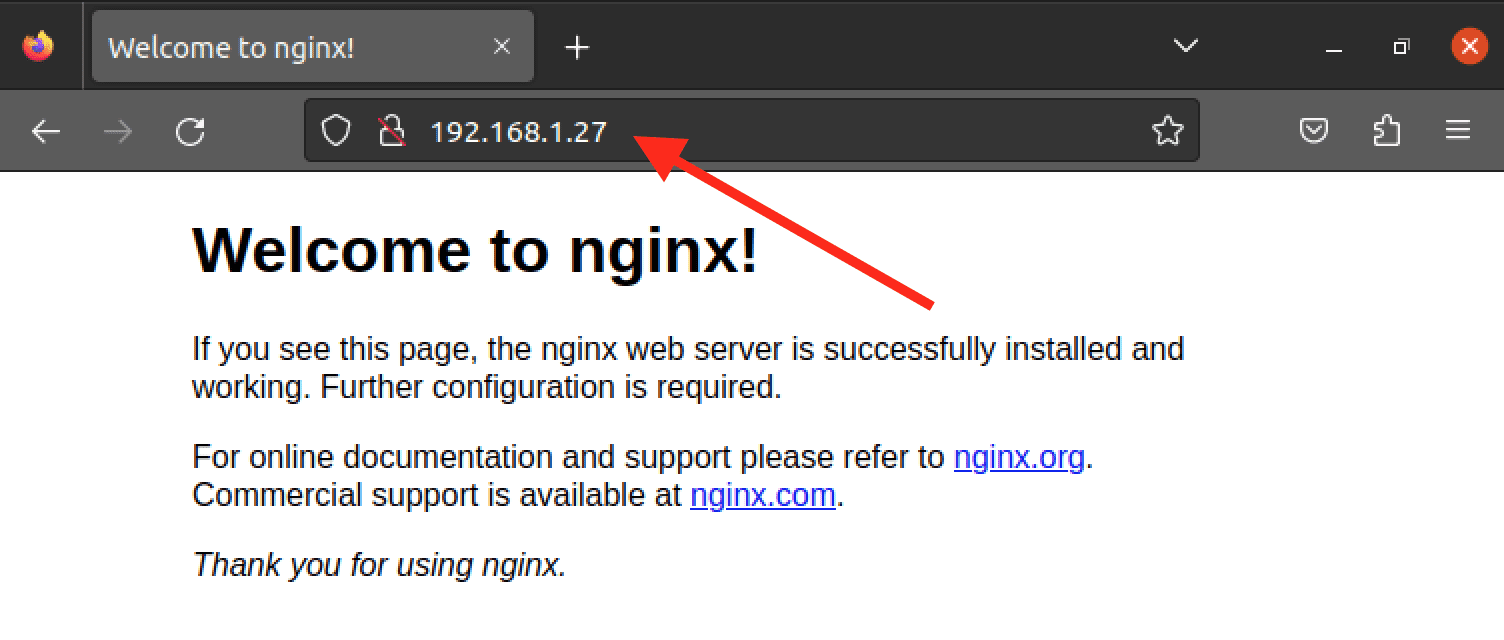
Serving up Speed The Beginner's Guide to Nginx on Ubuntu
Nginx 프록시 호스트를 관리하기 위한 Docker 컨테이너 > 365ok IT뉴스
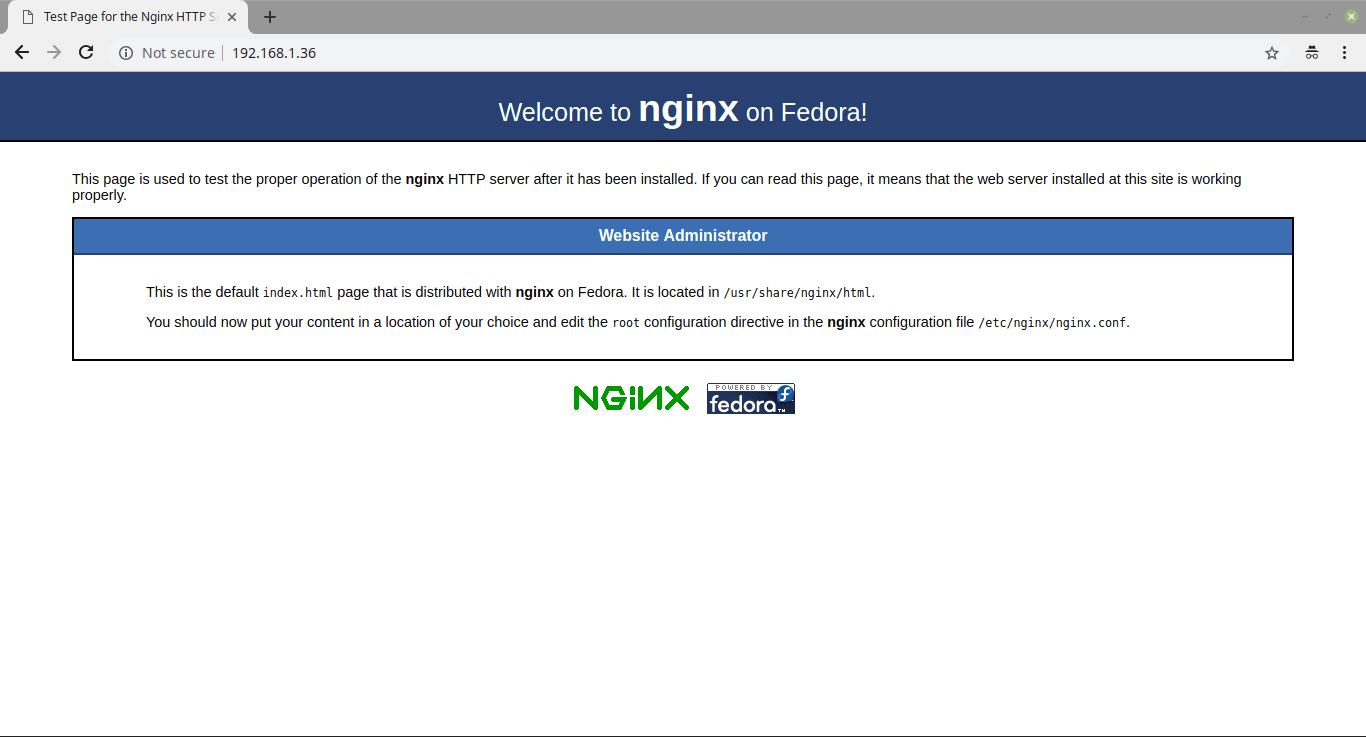
nginx default page

How to Install and Run the Nginx Server on Windows Goobuntu
This Guide Describes How To Start And Stop Nginx, And Reload Its Configuration, Explains The Structure Of The Configuration File And Describes How To Set Up Nginx To Serve Out Static Content, How To Configure Nginx As A Proxy Server, And How To Connect It With A Fastcgi Application.
You Can Restrict Access To Your Website Or Some Parts Of It By Implementing A Username/Password Authentication.
By Default, Nginx Does Not Require A Username Or Password For Access, Leaving Your Website Vulnerable To Unauthorized Access.
We’re Going To Access The Nginx Proxy Manager’s Default Login Page, And Then Log In Using The Default Credentials.
Related Post: